

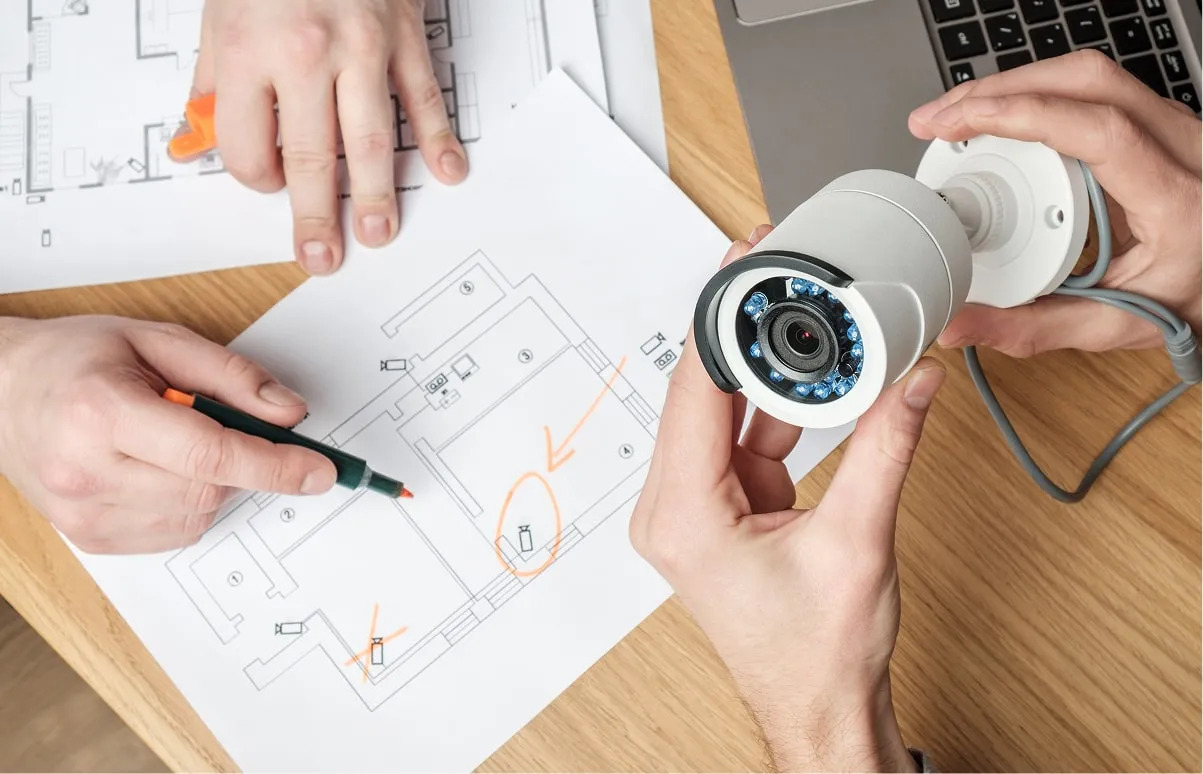
Choosing a CCTV camera can feel confusing. There are dozens of shapes, resolutions and features, and every shop seems to recommend something different. The good news is that the right choice usually comes down to a few simple questions about where the camera goes and what you need to see.
This guide walks you through those questions so you can plan a system that actually protects your home, shop or office.
1. Start with what you want to see
Before looking at models, walk around your property and list the areas that matter:
- Main gate, entrance doors and boundary walls
- Parking area, garage or driveway
- Shop counter, cash desk or storage room
- Staircases, corridors and rooftop access
For each spot, decide whether you only need to detect movement or you need to identify faces and number plates. Identification needs higher resolution and a closer or zoomed view.
A camera is only as useful as its placement. A well-placed 2MP camera often beats a badly placed 8MP one.
2. Pick the right camera type
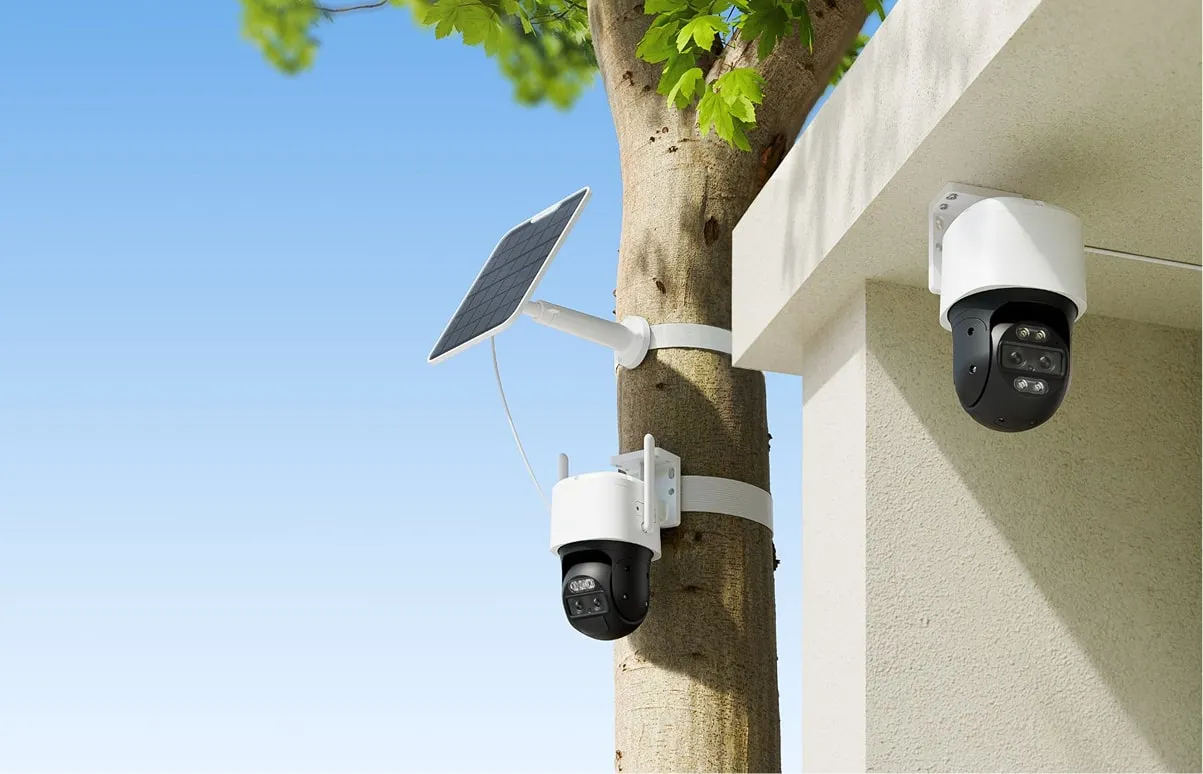
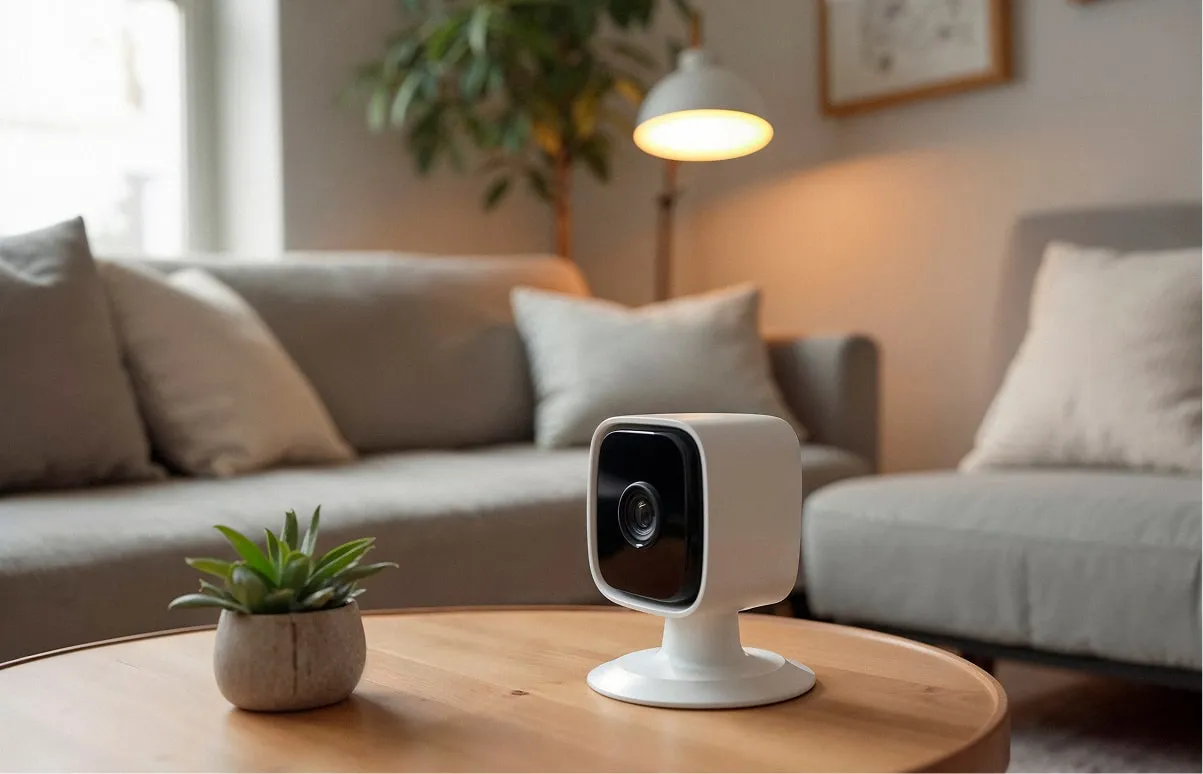
- Bullet cameras are ideal outdoors for gates and walls. Their long shape makes them a visible deterrent.
- Dome and turret cameras suit shops, offices and indoor areas. They are compact and harder to tamper with.
- PTZ cameras pan, tilt and zoom to cover large areas such as factory yards and parking lots.
- Wi-Fi cameras are perfect where running cables is difficult, such as rented flats.
3. Resolution and night vision
For most homes and shops, 2MP to 4MP gives clear everyday footage. Choose 4MP or higher for wide areas or where you need to read number plates.
Night vision is just as important. Standard infrared gives black-and-white footage, while colour night vision cameras use extra light to keep images in colour, which helps identify clothing and vehicles.
4. Analog or IP?
Analog HD systems are budget-friendly and reliable for small setups. IP cameras offer higher resolution, smarter detection and easier expansion, and they can be powered over a single network cable using PoE. We explain the difference in detail in our IP camera vs analog CCTV guide.
5. Plan your recording and storage
Your NVR or DVR records footage to a hard disk. Storage depends on the number of cameras, resolution and how many days you want to keep. As a rough guide, a 4-camera 4MP system with a 1 TB disk keeps around two weeks of continuous footage.
Get expert advice
Every property is different. Our team offers a free site survey in Chittagong and recommends the right cameras, positions and storage for your budget. Explore our CCTV & IP camera service or call us to book a visit.